

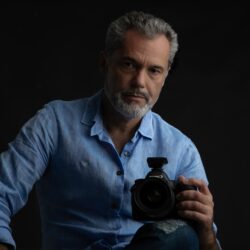
Interview with João Coelho
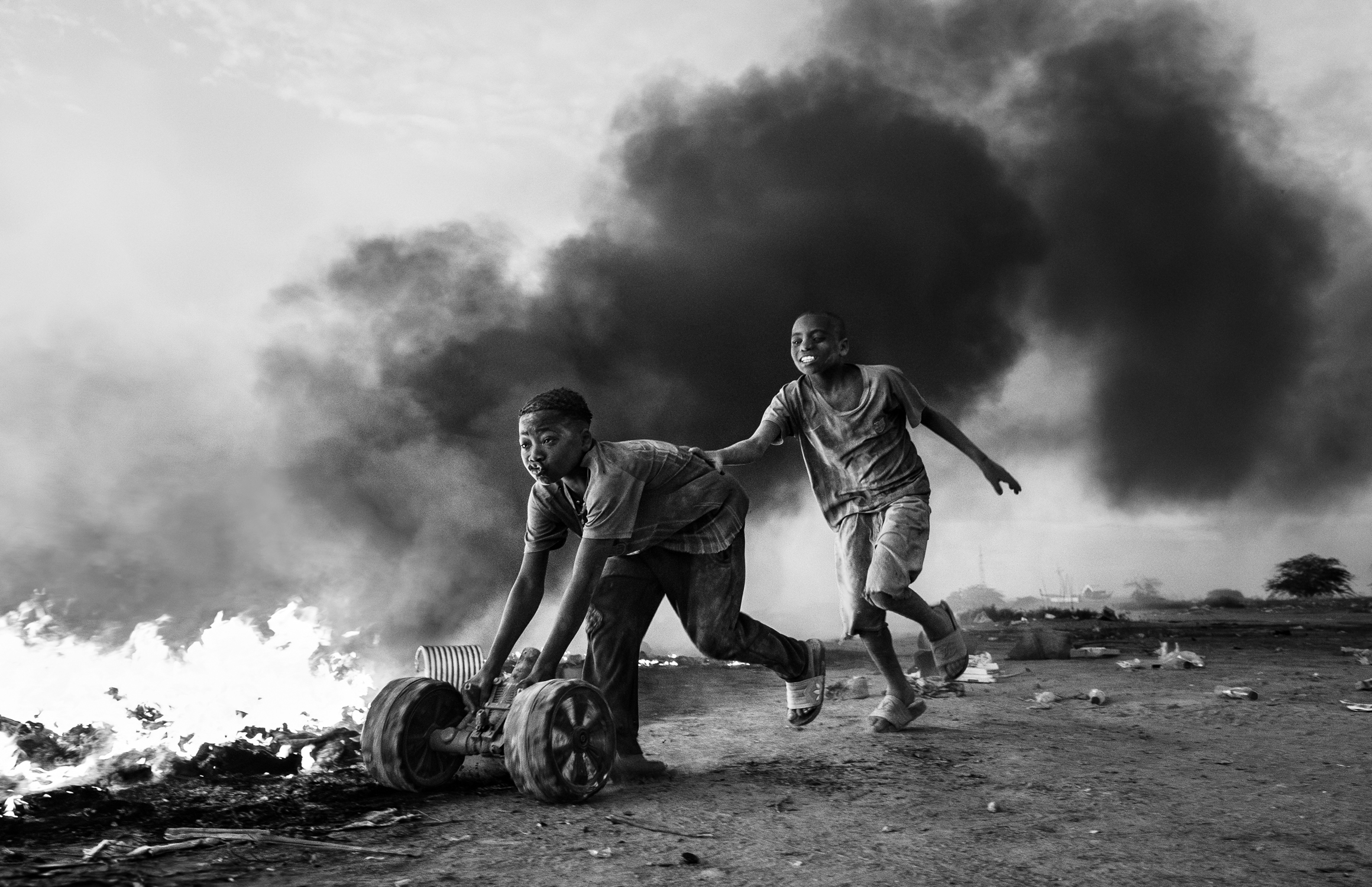
BIFA 2025 Winner, 1st Place, Non-Professional Editorial, “Always Children, Always Friends”
Q: You document a harsh reality but also an incredible resilience. How did you approach balancing the dignity and playfulness of these children within such difficult circumstances?
I must confess that, emotionally speaking, it was very difficult to tell the story of these children and strike the right balance. The barren, grey landfill, permanently covered in toxic fumes, is the only world they know because they were born there and have never crossed the surrounding mountains. It is somewhat disconcerting to find moments of pure fun and joy in children who live in a world like this. In reality, however, I realized that these children were teaching us all a life lesson. They showed us that pure and true friendship can manifest itself in small gestures, and that we should enjoy the simplest things in life. As I spent time with them, I wanted to convey this message through this story. I believe that balance emerged naturally and spontaneously.
Q: What was the most impactful moment you experienced while creating this series?
The place where I created this series and the people who live there are very important to me because they marked a turning point in my documentary work about three years ago. Although I know these people well, I am always emotionally impacted when I visit them. It invariably happens when I say goodbye, as I always feel powerless to improve their lives or fate. This feeling is particularly strong when the children look me in the eyes with a mixture of sadness and anxiety, as if they are asking me to take them with me. In creating this series, that moment also existed with these children and was its most impactful moment.
Q: How did you gain the trust of the children and families living in this environment?
As I mentioned earlier, I have been visiting this place for a few years, so the locals welcome me as one of their own. This is important for my documentary work, as they act naturally in my presence — even when I am very close — which is characteristic of my photography. I believe this closeness has helped me gain their trust, as I walk on top of the piles of rubbish, feel the suffocating heat and breathe in the toxic fumes just as they do.
Q: As Editorial Photographer of the Year, what does this BIFA recognition mean to you, especially given that your work focuses on the human condition and often on vulnerable communities?
As a photographer, this recognition means a lot to me because BIFA is considered one of the most demanding competitions worldwide, due to the quality of the submitted works and the reputation of its jury. This award’s international scope and visibility allows me to reach a wider audience and convey the implicit messages in my work more effectively. Ultimately, I want to draw attention to the fragility of the human condition in vulnerable communities and raise awareness among my audience, with the goal of provoking attitudes that can improve their lives.
Q: In your view, what role does documentary editorial work play in shaping public understanding of inequality and resilience?
I believe documentary editorial photography is a tool we can use to change the world for the better. I also believe photographers have both a moral obligation and a duty to do so. My work does not aim to portray poverty, inequality, or resilience in an abstract or detached way. I do it because I feel it is my duty to denounce the world’s inequalities and injustices and demonstrate that they can be changed through small actions. Most of my work depicts people’s lives and how they work, which astonishes and outrages most of my audience. This leads me to conclude that there is a world most people are unaware of. If I can build a bridge between these two worlds through photography, I may be able to help restore balance between them, even if it’s only a drop in the ocean.