
Interview with Chrissie Hall
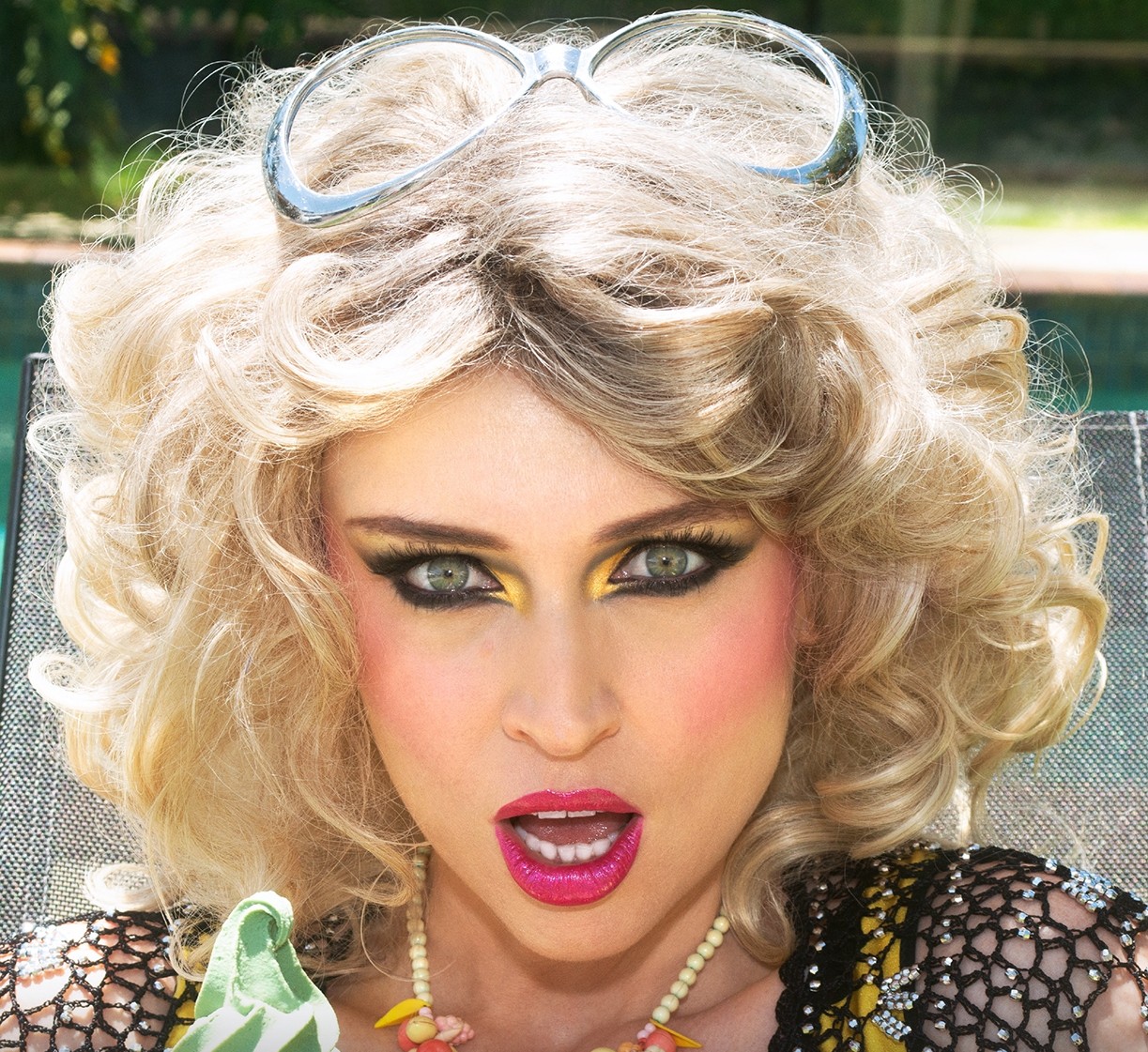
BIFA 2025 Photographer of the Year, 1st Place Winner, Professional Book, “Layers of The Kaleidoscope Qween”
Q: This 15-year project culminated in a 242-page book. How did the core idea of the “Kaleidoscope Qween” transform over that time, and at what point did you realize this was evolving into a book?
The core idea of Kaleidoscope Qween began very simply: I had always wanted to make a book focused on one person, building a deep creative relationship over time rather than a single shoot or moment. That seed was planted while I was living in London, after finding a photobook at a market where a photographer documented a model over just a few months. It was raw, almost street-photography in style, and what struck me most was witnessing the subtle shifts in identity, mood, and presence over time.
When my visa ran out and I returned to Australia, I was feeling creatively unanchored. Around that time, I met Charly while working at a photo studio. She was a professional model, and our connection immediately felt open and collaborative. I proposed a fashion story set inside the Australian Museum—an ambitious idea that unexpectedly received a yes. Having the museum to ourselves became a pivotal moment; it set the tone for something far more expansive than a single shoot.
Over the years, the project evolved organically—mirroring life, transformation, and performance of self. It wasn’t until I looked back across years of images, concepts, and emotional shifts that I realised this could only live fully as a book. At that point, Kaleidoscope Qween revealed itself not just as a series, but as a long-form portrait of becoming.
Q: How did your decision to use physical paint and mixed media, rather than just digital effects, help you capture that specific theme of non-conformity?
The shift to physical paint and mixed media came at a crucial moment, during COVID, when the project itself needed to evolve. A friend told me Charly was moving up north, so I reached out and created a mock-up of the book using earlier work we had made together—much of it classy nude photography. When I showed it to her, she was very clear: that version no longer represented who she was. She was comfortable with the history, but she didn’t want that visibility anymore.
That boundary became a catalyst rather than a limitation. Instead of covering things digitally, I wanted to respond in a tactile, honest way. I began working directly onto printed images—placing rainbow petals I had lying around, then painting over the photographs. The physicality of those gestures mattered. They weren’t reversible, polished, or perfect, and that imperfection aligned deeply with the idea of non-conformity.
As the process expanded, I pushed it further: repainting images, reshooting them, and even growing crystals directly onto the prints, a slow process that took weeks. Using mixed media allowed the work to resist slick digital aesthetics and move into something more raw, layered, and embodied. The images themselves became objects—altered, disrupted, and transformed—mirroring Charly’s own evolution and the project’s refusal to stay fixed in one identity or form.
Q: Your work often explores the photographer-subject dynamic. How did your 15-year relationship with Charly blur that line, and in what ways did she become a co-creator rather than just a muse?
With Charly, the photographer–subject dynamic dissolved very early on. We didn’t approach the work with heavy discussion or rigid plans—we simply started shooting, and it was fun, intuitive, and deeply familiar. Over time, we developed an unspoken language. She knew what I was looking for before I asked, and I understood how she would move, shift, or hold herself in front of the camera. It felt as though time didn’t exist when we worked together.
That level of trust can only come from years of shared experience. After fifteen years, the process was less about direction and more about response—reacting to each other in the moment. Silence became part of the collaboration; nothing needed to be over-explained. Her presence, choices, and boundaries actively shaped the work, influencing not just how the images looked but where the project went conceptually.
Because of that, Charly was never just a muse. She was a co-creator whose evolution directly informed the evolution of Kaleidoscope Qween. The work exists because of that mutual understanding and respect. I love photographing Charly, and I always will—she’ll always be my favourite.
Q: What does it mean to have this specific, project recognized on an international stage by the Budapest International Foto Awards?
It’s such an honour, and I’m incredibly grateful that this project is being recognised overseas. After living with Kaleidoscope Qween for so many years, to see it resonate beyond Australia and reach an international audience is deeply affirming. It feels like the work has found a new life and a new conversation in a different cultural space.
Being acknowledged by the Budapest International Foto Awards gives the project a sense of expansion—it’s no longer just personal history or a long-term collaboration, but something that can connect with people who don’t know the backstory. That recognition tells me the themes are universal.
Most importantly, it’s exciting to think the work might inspire others to give themselves permission to be creative, to embrace colour, and to step outside of conformity. If the project encourages even a few people to be bolder, more expressive, and less afraid of who they are, then that recognition means everything.
Q: What was the editing process like to distill that down to 242 pages, and how did you maintain your creative energy for a single concept for so long?
The editing process took about a year, on and off, and it was very physical and intuitive. I began by printing all the images and laying them out in real space so I could truly see the book. That part felt like assembling a puzzle—moving images around, sensing rhythm, flow, and emotional shifts. Once the structure started to emerge, I translated those layouts into the computer, but much of the real editing happened away from the screen. I shared the prints with people I trusted and welcomed their input, which helped clarify what needed to stay and what could fall away.
Sustaining creative energy over such a long period was both challenging and transformative. There were moments of real doubt—times when I questioned whether the project would ever actually exist as a book. Progress was slow, and there were stretches of years where I didn’t actively work on it, yet it never left my mind.
Meditation played a huge role in that endurance. It helped me stay connected to the project on a deeper level, even during pauses, allowing the ideas to mature naturally. In the end, that patience became part of the work itself.